Our Work
Latest Updates
As part of the Support to Women and Youth Initiative Through the Promotion of Moringa in Niger, funded by the United Nations Development Programme, RisingRoad and Assistance au Développement Communautaire (ADC) conducted an initial digital assessment to better understand community members' access to digital technologies, as well as their education and skills development needs. The assessment also explored how educational multimedia resources and digital learning solutions could be adapted to the local context to support learning and community development. Data were collected by ADC's field team using survey instruments that were designed by RisingRoad.
The assessment examined access to digital devices, particularly mobile phones, the use of digital services, tools, and applications, internet connectivity, the costs associated with digital services, available sources of electricity for charging devices, and the primary barriers limiting technology use.
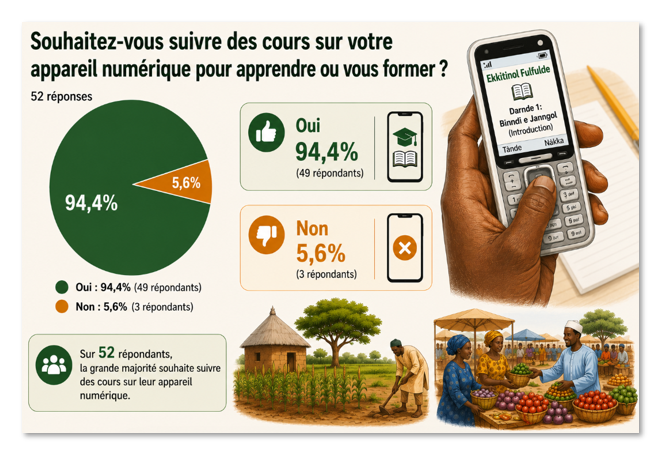
Participants were also asked about their interest in digital learning, including the topics they would like to study, their preferred languages of instruction, and the most appropriate methods for accessing learning resources within their communities.
The findings provide an evidence base for the design and implementation of accessible, relevant, and context-appropriate digital learning resources that will strengthen knowledge and skills, support food security initiatives, and improve the livelihoods of women, youth, and other vulnerable groups in Niger.

As part of the Support to Women and Youth Initiative Through the Promotion of Moringa in Niger, funded by the United Nations Development Programme, RisingRoad and Assistance au Développement Communautaire (ADC) conducted an initial digital assessment to better understand community members' access to digital technologies, as well as their education and skills development needs. The assessment also explored how educational multimedia resources and digital learning solutions could be adapted to the local context to support learning and community development. Data were collected by ADC's field team using survey instruments that were designed by RisingRoad.
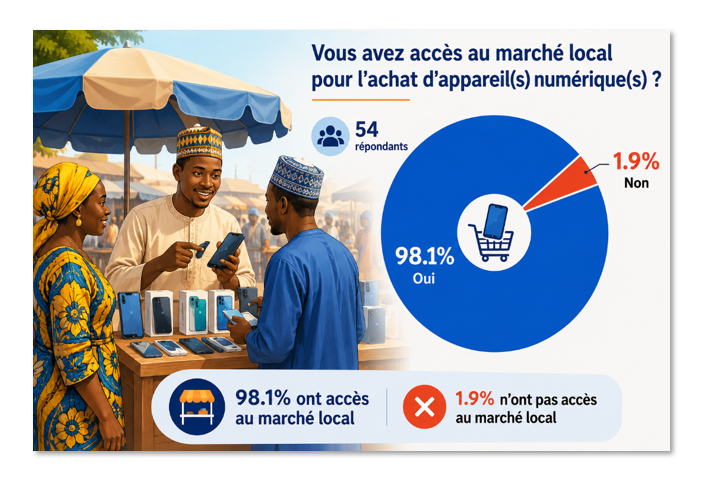
The assessment examined access to digital devices, particularly mobile phones, the use of digital services, tools, and applications, internet connectivity, the costs associated with digital services, available sources of electricity for charging devices, and the primary barriers limiting technology use.
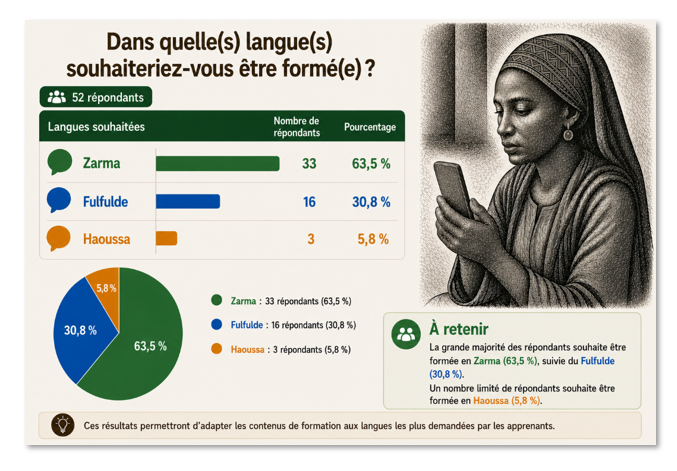
Participants were also asked about their interest in digital learning, including the topics they would like to study, their preferred languages of instruction, and the most appropriate methods for accessing learning resources within their communities.
The findings provide an evidence base for the design and implementation of accessible, relevant, and context-appropriate digital learning resources that will strengthen knowledge and skills, support food security initiatives, and improve the livelihoods of women, youth, and other vulnerable groups in Niger.
Latest Updates
Our Work